
Empowering You to Live Alcohol-Free and Thrive
I’m here to guide you on your journey to lasting sobriety. Whether you're just starting or looking to maintain an alcohol-free lifestyle, I’ll provide you with the tools, resources, and community support you need to succeed.
Ready to Take the Next Step?
Download a complimentary copy of my book, The Sobriety Success Roadmap and get the strategies and insights you need to live alcohol-free and thrive.
Why I’m Here to Help You Quit Drinking Alcohol

After my own journey to sobriety, I realized how important it was to have the right support system. That’s why I’ve dedicated my life to helping others achieve lasting sobriety and build fulfilling, alcohol-free lives.
With my experience as a certified professional coach and someone who has been through the same struggles, I’ve developed proven strategies that can help you overcome alcohol and thrive.
I’ve worked with countless individuals to help them build healthier, more balanced lives, and I can do the same for you.
I’m here to support you every step of the way. Explore my resources and start your journey today.

The Ultimate Guide to Sleep Hygiene Tips for Improving Your Sleep and Mental Health
Introduction
Sleep is one of the most important things you can do for your physical and mental well-being, but it often takes a backseat when life gets busy. Did you know that consistently poor sleep can increase your risk of health issues like weight gain, diabetes, and even heart disease (Institute of Medicine 2006)? If you've found yourself tossing and turning at night or waking up feeling exhausted, improving your sleep hygiene could be the key to getting better rest.
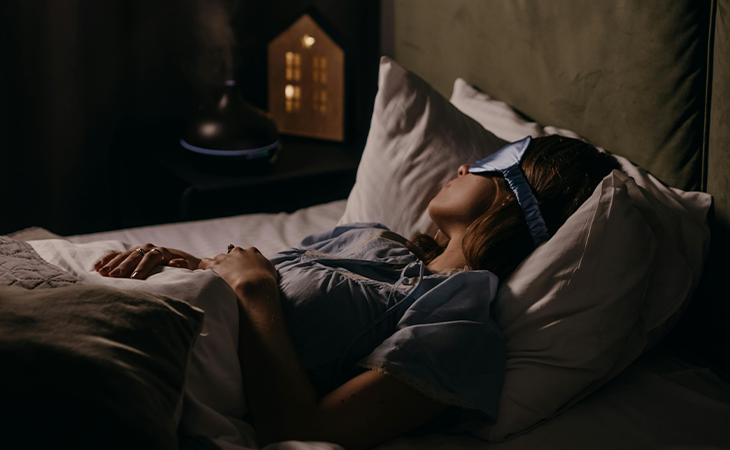
Adopting sleep hygiene can pave the way for a good night’s sleep. This involves minor changes to your routine, leading to falling asleep faster, sleeping more soundly, and waking up refreshed. In this article, we’ll guide you through simple sleep hygiene practices that can help you build better habits and enjoy the restful sleep you deserve. These changes aren’t just theoretical—they’re within your reach and can be experienced with just a few adjustments to your routine.
What is Sleep Hygiene?
Sleep hygiene refers to the daily habits and practices that help you get a good night’s sleep. It’s all about creating an environment and routine that supports better rest. Research shows that good sleep hygiene improves sleep quality and helps regulate your body’s internal clock (Irish et al., 2015). When you follow healthy sleep habits consistently, you set yourself up for better sleep quality and more energy during the day.
Healthy sleep hygiene includes everything from when you go to bed to the comfort of your sleep environment. Establishing good sleep hygiene can help you fall asleep faster, stay asleep longer, and wake up feeling more refreshed. Sleep hygiene extends beyond your bedtime routine—your daytime habits also greatly impact sleep quality.
The following sections explore strategies for improving sleep hygiene and enjoying deeper, more restorative sleep.
Essential Sleep Hygiene Practices for Better Sleep
Improving your sleep hygiene doesn't have to be complicated, but it does require consistency. Following these fundamental practices can create an environment and routine that supports better rest.
Maintain a Consistent Sleep Schedule
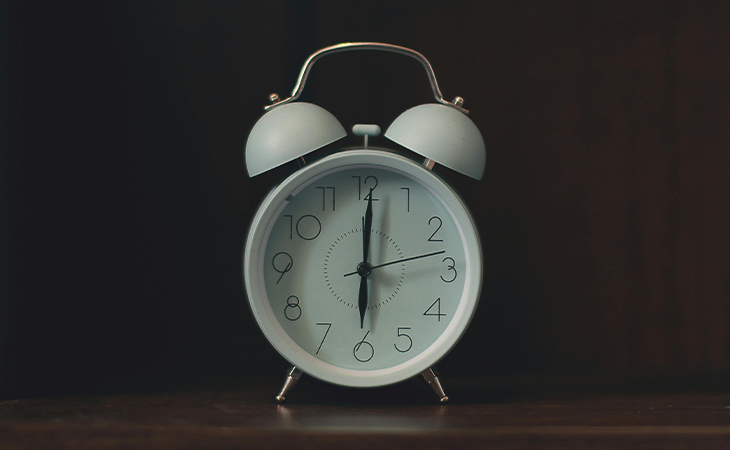
Going to bed and waking up at the same time every day—even on weekends—helps regulate your body’s internal clock or circadian rhythm. This regularity makes it easier to fall asleep and wake up feeling refreshed. Research has shown that a consistent sleep schedule is one of the most critical factors for improving sleep quality (Kang & Chen, 2009).
Create a Sleep-Inducing Environment
Your bedroom should be a peaceful place dedicated to rest. Keep it cool, dark, and quiet to make sleep comfortable. Avoid distractions like bright lights, excessive noise, or clutter, as they can interfere with your ability to relax (Irish et al., 2015). Invest in a comfortable mattress and pillows, and consider using blackout curtains or a white noise machine to improve the environment further.

Build a Relaxing Bedtime Routine
Create a routine that helps you unwind before bed. This might include reading, stretching, or practicing relaxation techniques like deep breathing or meditation. Avoid screens and stimulating activities before bed, as they can keep your mind too active for sleep (Irish et al., 2015). Calming activities can help signal to your body that it’s time to wind down and prepare for rest.

The Link Between Sleep Hygiene and Mental Health
Sleep is a critical part of your overall health. And the quality and quantity of your sleep are deeply connected to your mental and emotional well-being.
-National Sleep Foundation
Sleep quality doesn’t just affect how rested you feel—it also significantly impacts your mental health. Practicing good sleep hygiene can improve your mood, increase emotional resilience, and help reduce symptoms of anxiety and depression.
The Role of Sleep in Stress and Anxiety Management
Getting quality sleep is not just about feeling rested. It's one of the best ways to manage stress and reduce anxiety. Good sleep hygiene promotes mental and emotional regulation, helping you process emotions more effectively and stay calm during stressful situations. Without enough sleep, it’s harder to manage stress, which can lead to irritability, mood swings, and difficulty concentrating. Research shows that sleep deprivation increases levels of the stress hormone cortisol, which can make even minor challenges feel overwhelming. By prioritizing sleep hygiene, you can better manage stress, regulate emotions, and improve your mental resilience, helping you stay calm even during challenging situations.
When you consistently practice good sleep hygiene, you give your mind and body a chance to recover fully. This helps you wake up feeling more centered and better equipped to handle whatever the day throws at you.

Sleep Hygiene in Recovery and Sobriety
For those in recovery from alcohol, establishing healthy sleep habits is crucial. Sleep hygiene helps regulate mood, reduce stress, and improve physical healing (Scott et al., 2017). These are vital in preventing relapse. Many individuals who rely on alcohol to fall asleep struggle with sleep disturbances after quitting, as alcohol initially sedates but later disrupts the sleep cycle, leading to fragmented sleep. By implementing consistent sleep hygiene practices, those in recovery can stabilize their sleep patterns and support long-term sobriety.
Long-term Benefits of Consistent Sleep Hygiene
Consistent sleep hygiene offers significant long-term benefits. Research shows that improving sleep can lead to better mental health, including reduced anxiety and depression symptoms (Scott et al., 2017). Good sleep habits also enhance cognitive performance, improving focus, memory, and decision-making. Over time, these benefits contribute to better overall emotional resilience and well-being.
By prioritizing your sleep, you invest in your short-term well-being and long-term mental and physical health. Start implementing these practices now, and over time, you’ll experience the full range of benefits—from sharper focus to a more resilient emotional state.
Additional Sleep Hygiene Tips for Busy Professionals
Sleep can easily fall to the bottom of your priority list if you’re juggling a demanding job, family responsibilities, and personal commitments. However, improving your sleep hygiene can help you maximize the rest you get, even when your schedule is packed. Here are some additional tips designed with busy professionals in mind:
Prioritize Power Naps
If your day is jam-packed and you find it hard to get a whole night’s sleep, a quick 10-20-minute power nap can help recharge your energy. While naps aren’t a substitute for a full night’s sleep, they can enhance your mood and cognitive function when used strategically (Milner & Cote, 2009). Make sure not to nap too close to bedtime, as this can interfere with sleep.

Manage Caffeine Intake
While coffee and other caffeinated drinks might seem like essential tools for getting through the workday, consuming caffeine too late can impact sleep quality. Limit caffeine intake in the afternoon and opt for herbal teas or decaffeinated beverages later in the day (Gardiner et al., 2023).
Set Work-Life Boundaries
One of the challenges of a demanding job is that work can easily creep into your evening hours, making it difficult to wind down. Set clear boundaries between work and personal time, including shutting off electronic devices at least an hour before bed to allow your mind to fully relax and prepare for restful sleep.
Get Early Morning Sunlight

Exposure to natural light in the morning helps regulate your circadian rhythm and improve your sleep quality and energy levels throughout the day. Try to spend at least 10-15 minutes outside or by a window in the morning to help reset your body’s internal clock (He et al., 2023).
Optimize Your Evening Routine
Busy professionals often don’t have time for a long, elaborate bedtime routine, but even a few calming activities before bed can make a difference. Aim for a simple wind-down routine that includes reading, stretching, or listening to calming music.
What to Do If Sleep Hygiene Isn’t Enough
While practicing good sleep hygiene can go a long way in improving your sleep, it’s not always a complete solution. If you’ve been consistent with your sleep habits and still struggle with poor sleep quality, excessive daytime fatigue, or frequent waking during the night, it may be time to seek professional help. Here are some signs to look out for and steps you can take to address persistent sleep issues.
Signs You May Need Professional Help

If you experience any of the following, it may be worth consulting with a sleep specialist:
Persistent Insomnia: Difficulty falling asleep or staying asleep, even when you can rest, is a common sign that more than just sleep hygiene is needed.
Frequent Night Wakings: Waking up multiple times during the night without being able to return to sleep could indicate an underlying sleep disorder.
Excessive Daytime Sleepiness: There may be a more serious issue if you feel exhausted throughout the day despite getting enough sleep.
Loud Snoring or Gasping During Sleep: These could be signs of sleep apnea, which disrupts breathing during sleep and requires medical intervention.
The Importance of Addressing Sleep Disorders
Certain sleep disorders may require more than lifestyle changes and sleep hygiene practices. Conditions like insomnia, sleep apnea, restless leg syndrome, and circadian rhythm disorders often need medical evaluation and treatment. Ignoring these issues can lead to long-term health consequences such as increased risk of heart disease, diabetes, and mental health problems like depression and anxiety (Institute of Medicine 2006).
Insomnia: Chronic insomnia can cause a host of problems, including reduced focus, memory issues, and mood swings. It’s essential to address it early, as untreated insomnia can exacerbate other health issues.
Sleep Apnea: This condition, which involves interruptions in breathing during sleep, requires medical treatment to prevent complications like heart disease and stroke.
When to Seek Professional Help
If sleep hygiene practices aren’t helping, don’t hesitate to seek advice from a healthcare professional or a sleep clinic. Sleep specialists can perform evaluations like overnight sleep studies or home sleep tests to diagnose specific disorders. From there, they can recommend treatments such as Cognitive Behavioral Therapy for Insomnia (CBT-I), CPAP therapy for sleep apnea, or medications to address specific conditions. The sooner you address persistent sleep problems, the sooner you can enjoy the restorative benefits of quality sleep.

Conclusion
Building healthy sleep habits is essential for mental and physical health. You can significantly improve your sleep quality by committing to small, consistent changes in your daily routine—such as setting a regular bedtime, creating a calming environment, and reducing late-night screen time. Over time, these habits will lead to better mood regulation, enhanced focus, and greater overall well-being.
If you’re also working to reduce or quit alcohol, improving your sleep hygiene will help you recover more quickly. Alcohol may seem like a quick fix for sleep, but it disrupts the deeper, restorative stages of sleep. For additional insights on how to improve your rest while reducing alcohol consumption, check out our companion article on how alcohol impacts sleep. This guide will help you further understand the connection between alcohol and disrupted sleep patterns and provide tips to help you take control of your sleep and overall health.
By focusing on these sleep hygiene practices and making small, sustainable changes, you can set yourself up for lasting health benefits and enjoy the restful sleep you deserve.
Remember, if you’re working to reduce or quit alcohol and need personalized support, private coaching is available to help you stay on track while improving your sleep habits.
References
Gardiner, C., Weakley, J., Burke, L. M., Roach, G. D., Sargent, C., Maniar, N., Townshend, A., & Halson, S. L. (2023). The effect of caffeine on subsequent sleep: A systematic review and meta-analysis. Sleep medicine reviews, 69, 101764. https://doi.org/10.1016/j.smrv.2023.101764
He, M., Ru, T., Li, S., Li, Y., & Zhou, G. (2023). Shine light on sleep: Morning bright light improves nocturnal sleep and next morning alertness among college students. Journal of sleep research, 32(2), e13724. https://doi.org/10.1111/jsr.13724
Institute of Medicine (US) Committee on Sleep Medicine and Research; Colten HR, Altevogt BM, editors. Sleep Disorders and Sleep Deprivation: An Unmet Public Health Problem. Washington (DC): National Academies Press (US); 2006. 3, Extent and Health Consequences of Chronic Sleep Loss and Sleep Disorders. Available from: https://www.ncbi.nlm.nih.gov/books/NBK19961/
Irish, L. A., Kline, C. E., Gunn, H. E., Buysse, D. J., & Hall, M. H. (2015). The role of sleep hygiene in promoting public health: A review of empirical evidence. Sleep medicine reviews, 22, 23–36. https://doi.org/10.1016/j.smrv.2014.10.001
Kang, J. H., & Chen, S. C. (2009). Effects of an irregular bedtime schedule on sleep quality, daytime sleepiness, and fatigue among university students in Taiwan. BMC public health, 9, 248. https://doi.org/10.1186/1471-2458-9-248
Milner, C. E., & Cote, K. A. (2009). Benefits of napping in healthy adults: impact of nap length, time of day, age, and experience with napping. Journal of sleep research, 18(2), 272–281. https://doi.org/10.1111/j.1365-2869.2008.00718.x
Scott, A. J., Webb, T. L., Martyn-St James, M., Rowse, G., & Weich, S. (2021). Improving sleep quality leads to better mental health: A meta-analysis of randomised controlled trials. Sleep medicine reviews, 60, 101556. https://doi.org/10.1016/j.smrv.2021.101556
Walker, M. P. (2017). Why We Sleep: Unlocking the Power of Sleep and Dreams. Scribner.

How I Can Help You Quit Drinking Alcohol

Private Sobriety Coaching
Get personalized 1-on-1 support and guidance tailored to your specific needs. My private coaching helps you tackle your unique challenges with alcohol and create lasting change.

Sobriety Course
Take control of your sobriety at your own pace with my 12-week course. The Alcohol-Free Framework provides you with the strategies, tools, and mindset shifts you need to live alcohol-free and thrive.

Group Coaching
Build lasting sobriety with the support of a guided group coaching experience. You’ll gain practical tools, mindset shifts, and real-time accountability to help you stay alcohol-free and create a life you’re proud of.
Sobriety Coaching Testimonials
"If I'm really going to do it, I'm going to have a much better chance to have a professional coach helping me through the process. . .to give me the support that I don't even know that I need"
Amy Lee
"I just feel 1,000 times better than I did before"
Mike D.
"I am much more aware of what triggers things in me. . .and have learned new ways to deal with those things"
John R.
"What you've done in a few hours no one was able to do in 15 years..."
Manaf Z.
"I feel like my life has completely changed"
Adria B.
“I’m having better conversations with my husband…telling him my wants and my needs in a reasonable fashion.”
Robin M.
Ready to Start Your Own Sobriety Success Story?
These clients transformed their lives, and you can too. Whether you’re looking for private coaching, group support, or a proven course, I’m here to guide you every step of the way.
Connect with Others on the Sobriety Journey
Sobriety doesn’t have to be a solo journey. Our private Discord community is a safe space where you can connect with others, share your progress, and get support whenever you need it. Together, we’re stronger.
Listen to the Quit Drinking Alcohol Podcast
Your guide to living an alcohol-free life!
Join Dillon Reed, a Certified Professional Recovery Coach, on the Quit Drinking Alcohol Podcast for real talk, practical strategies, and inspiring stories to help you quit drinking and stay sober.
Whether you're just starting your journey or looking for continued motivation, each episode provides tools to navigate life without alcohol.
Stay Connected and Empowered on Your Sobriety Journey
Join our community and receive exclusive tips, resources, and updates to help you live alcohol-free and thrive. Be the first to hear about new content, courses, and special offers!


© 2025 DDT Unlimited LLC - All rights reserved
As an Amazon Associate I earn from qualifying purchases.