
Empowering You to Live Alcohol-Free and Thrive
I’m here to guide you on your journey to lasting sobriety. Whether you're just starting or looking to maintain an alcohol-free lifestyle, I’ll provide you with the tools, resources, and community support you need to succeed.
Ready to Take the Next Step?
Download a complimentary copy of my book, The Sobriety Success Roadmap and get the strategies and insights you need to live alcohol-free and thrive.
Why I’m Here to Help You Quit Drinking Alcohol

After my own journey to sobriety, I realized how important it was to have the right support system. That’s why I’ve dedicated my life to helping others achieve lasting sobriety and build fulfilling, alcohol-free lives.
With my experience as a certified professional coach and someone who has been through the same struggles, I’ve developed proven strategies that can help you overcome alcohol and thrive.
I’ve worked with countless individuals to help them build healthier, more balanced lives, and I can do the same for you.
I’m here to support you every step of the way. Explore my resources and start your journey today.

Creating a Sobriety Support Network
“The real challenge is how to prevent relapse and enhance the chances of remission and stable long-term recovery. From my clinical observations and clinical research experience, I can see this happens through “extra-treatment” factors, such as through social networks of recovery support and family”
- Dr. John F. Kelly, from an interview with Counselor Magazine
Introduction
Starting your sobriety journey can feel like a lot, but here’s the good news—you do not have to do it all by yourself. A strong support network is one of the most powerful tools you can have in your recovery. Everything feels more manageable when you have people around you who get what you are going through and are there to help.
It is easy to think you need to handle quitting alcohol on your own, but having others by your side makes the whole process feel less isolating. Your support network will lift you when times get tough, whether it is close friends, family, or others on the same path. In this post, I will explain why building a sobriety support network is essential and how you can start creating one that works for you.

Why a Support Network Matters
A support network in your corner makes all the difference in your sobriety journey. Think of it like this: when times get tough, you have a group of people ready to lift you, encourage you, and keep you moving forward. They remind you that you are not alone and help you see your progress, even when it feels hard to notice.
A strong support network gives you a safe space to share what you're going through—celebrating your wins or getting through the rough patches. And it's not just emotional support. Your network can also offer practical advice, hold you accountable, and help you focus on your goals, making you feel more prepared. Knowing you have people to lean on can give you extra strength when things get challenging.

Research shows that people who are connected to others during their recovery are more likely to maintain long-term sobriety. Whether it's friends, family, or others on the same journey, having that support can make all the difference between feeling isolated and empowered, boosting your confidence (Kaplan et al., 2020).
Critical Elements of a Sobriety Support Network
Building a strong sobriety support network does not happen overnight, but understanding what makes a solid network can help you create one that works for you. A successful support network usually includes several types of people and resources essential in your journey to lasting sobriety. Here are some key elements to keep in mind:
1. Trusted Friends and Family

Your closest friends and family can be crucial to your support system if they understand and respect your sobriety goals. Research shows that positive family involvement is associated with lower relapse rates and higher success in long-term recovery (Kaplan et al., 2020). When your loved ones offer emotional support and encouragement, they can help you stay on track, especially during challenging times.
2. Sober Peers

Connecting with others on the same journey can make you feel less alone. Whether you meet these peers through recovery groups, sober living communities, or online platforms, having people who genuinely understand what you are going through is invaluable. Studies have shown that peer support plays a significant role in recovery outcomes, as individuals with solid peer connections are more likely to maintain sobriety (Laudet & Humphreys, 2013).
3. Professional Support
Therapists, coaches, and counselors bring expertise and objectivity to your support network. These professionals provide structured guidance, helping you navigate emotions, develop coping strategies, and set achievable goals. Research indicates that individuals who engage with professional support services tend to have higher recovery success rates (SAMHSA, 2023).

4. Online and In-Person Communities
Whether through 12-step programs, secular recovery groups, or online forums like Discord, being part of a community offers accountability and connection. Studies highlight that people involved in structured recovery communities are more likely to maintain sobriety due to the ongoing support and sense of belonging these groups provide (Best et al., 2016). Platforms like online support groups allow you to stay connected 24/7, which can be especially helpful when in-person meetings are unavailable.
How to Build Your Sobriety Support Network
Now that you know the critical elements of a strong sobriety support network, it is time to start building one that works for you. It may feel overwhelming initially, but you do not have to do it all at once. Take small steps, and before you know it, you will have a solid foundation of people and resources to lean on.

1. Reach Out to Loved Ones
The first step is to connect with trusted friends or family members who support your sobriety goals. Reach out to trusted friends or family members who understand and respect your sobriety goals. Be open about your journey and let them know how they can help. It is vital to surround yourself with people who understand the significance of what you are doing and who will respect your boundaries.
2. Join a Support Group
Connecting with sober peers is invaluable, whether it is an online community, a local 12-step program, or a secular recovery group. Look for groups where you feel comfortable and understood. Peer groups offer accountability and shared experiences, which can be incredibly grounding.
3. Find Accountability Partners
Having one or two people committed to checking in on your progress can keep you focused. Your accountability partner could be a friend, a family member, or someone from your recovery group. The key is to have someone who will hold you accountable and encourage you when needed.
4. Work with a Professional
Therapists, counselors, and recovery coaches provide expert guidance and a structured plan for your sobriety. A professional can help you navigate difficult emotions, develop coping strategies, and set realistic goals. If you have not already, consider seeking professional support as part of your network.
5. Stay Connected with Online Communities
Online communities are a great option if you cannot attend in-person meetings or prefer virtual support. Platforms like Discord, sober forums, and recovery apps allow you to connect with others 24/7. These spaces can offer real-time support whenever you need it.
Maintaining and Nurturing Your Sobriety Support Network
Building a support network is just the beginning. It is important to nurture those relationships and stay connected to ensure it continues to be a valuable resource. Like any relationship, your support network requires attention, consistency, and communication. Here is how you can keep your network strong over time:

1. Regular Check-Ins
Make a habit of regularly reaching out to your support system. Whether a quick text to your accountability partner or a more extended chat with a close friend, staying in touch helps keep you grounded and focused. These regular check-ins can boost motivation and remind you that you are not alone.
2. Participate in Group Activities
If you are part of a support group, stay active in in-person or online meetings. Regularly engaging with the group benefits you and contributes to the overall sense of community. Shared experiences strengthen connections and keep you accountable.
3. Be Open and Honest
Your support network is there to help you through the tough times, but they can only do that if you are open and honest. Do not be afraid to share when you are struggling or need extra help. Vulnerability strengthens trust and allows others to support you better.
4. Offer Support to Others
Support networks are a two-way street. While you will rely on others, they will also rely on you. Be there to offer encouragement, advice, or simply a listening ear when someone in your network needs support. Helping others can reinforce your commitment to sobriety.
5. Adapt and Grow Your Network
As your journey evolves, so may your needs. Be open to adjusting your network over time. You may want to seek out new resources, like a different support group or professional help, or deepen relationships with those most helpful.
Conclusion
Creating a solid sobriety support network is one of the best things you can do for your recovery. It does not happen overnight, but with time, you will build a group of people and resources you can count on. Whether you lean on trusted friends, connect with sober peers, work with professionals, or join online communities, the key is to stay engaged and nurture those relationships.
Remember, you are not in this alone. Your network will lift you, hold you accountable, and celebrate your wins. Take those first steps today—reach out, get involved, and start building the support system to carry you through your sobriety journey. You've got this!
References
Best, D., Savic, M., & Daley, P. (2016). The role of recovery capital in recovery from substance use. Addiction Research & Theory, 24(5), 373-384.
Kaplan, L., Nugent, C., Baker, M., Clark, S., & Veysey, B. (2020). The Emergence, Role, and Impact of Recovery Support Services. Alcohol Research: Current Reviews, 41(1), 01. https://arcr.niaaa.nih.gov/volume/41/1/emergence-role-and-impact-recovery-support-services
Laudet, A. B., & Humphreys, K. (2013). Promoting recovery in an evolving policy context: What do we know and what do we need to know about recovery support services? Journal of Substance Abuse Treatment, 45(1), 126–133. https://doi.org/10.1016/j.jsat.2013.01.009
Substance Abuse and Mental Health Services Administration (SAMHSA). (2023). TIP 64: Incorporating Peer Support Into Substance Use Disorder Treatment Services. https://store.samhsa.gov/product/tip-64-incorporating-peer-support-substance-use-disorder-treatment-services/pep23-02-01-001

How I Can Help You Quit Drinking Alcohol

Private Sobriety Coaching
Get personalized 1-on-1 support and guidance tailored to your specific needs. My private coaching helps you tackle your unique challenges with alcohol and create lasting change.
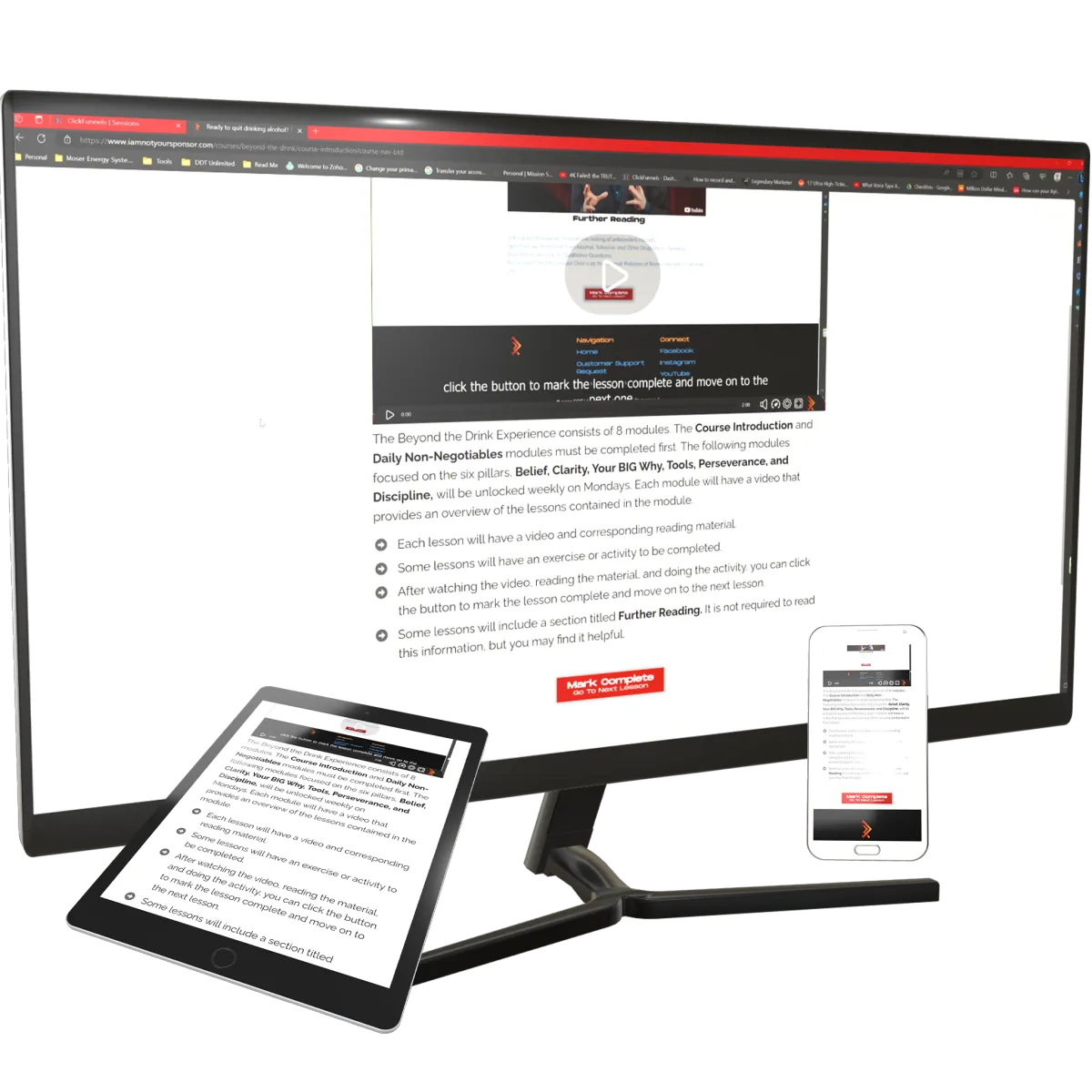
Sobriety Course
Take control of your sobriety at your own pace with my 12-week course. The Alcohol-Free Framework provides you with the strategies, tools, and mindset shifts you need to live alcohol-free and thrive.
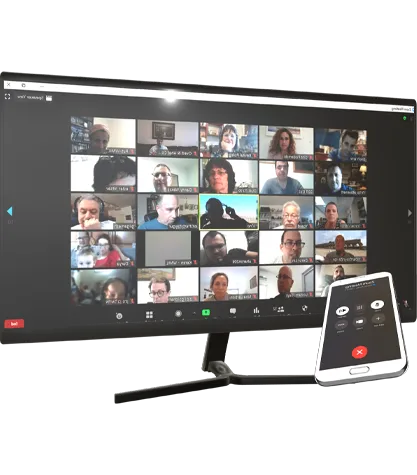
Group Coaching
Build lasting sobriety with the support of a guided group coaching experience. You’ll gain practical tools, mindset shifts, and real-time accountability to help you stay alcohol-free and create a life you’re proud of.
Sobriety Coaching Testimonials
"If I'm really going to do it, I'm going to have a much better chance to have a professional coach helping me through the process. . .to give me the support that I don't even know that I need"
Amy Lee
"I just feel 1,000 times better than I did before"
Mike D.
"I am much more aware of what triggers things in me. . .and have learned new ways to deal with those things"
John R.
"What you've done in a few hours no one was able to do in 15 years..."
Manaf Z.
"I feel like my life has completely changed"
Adria B.
“I’m having better conversations with my husband…telling him my wants and my needs in a reasonable fashion.”
Robin M.
Ready to Start Your Own Sobriety Success Story?
These clients transformed their lives, and you can too. Whether you’re looking for private coaching, group support, or a proven course, I’m here to guide you every step of the way.
Connect with Others on the Sobriety Journey
Sobriety doesn’t have to be a solo journey. Our private Discord community is a safe space where you can connect with others, share your progress, and get support whenever you need it. Together, we’re stronger.
Listen to the Quit Drinking Alcohol Podcast
Your guide to living an alcohol-free life!
Join Dillon Reed, a Certified Professional Recovery Coach, on the Quit Drinking Alcohol Podcast for real talk, practical strategies, and inspiring stories to help you quit drinking and stay sober.
Whether you're just starting your journey or looking for continued motivation, each episode provides tools to navigate life without alcohol.
Stay Connected and Empowered on Your Sobriety Journey
Join our community and receive exclusive tips, resources, and updates to help you live alcohol-free and thrive. Be the first to hear about new content, courses, and special offers!


© 2025 DDT Unlimited LLC - All rights reserved
As an Amazon Associate I earn from qualifying purchases.