
Empowering You to Live Alcohol-Free and Thrive
I’m here to guide you on your journey to lasting sobriety. Whether you're just starting or looking to maintain an alcohol-free lifestyle, I’ll provide you with the tools, resources, and community support you need to succeed.
Ready to Take the Next Step?
Download a complimentary copy of my book, The Sobriety Success Roadmap and get the strategies and insights you need to live alcohol-free and thrive.
Why I’m Here to Help You Quit Drinking Alcohol

After my own journey to sobriety, I realized how important it was to have the right support system. That’s why I’ve dedicated my life to helping others achieve lasting sobriety and build fulfilling, alcohol-free lives.
With my experience as a certified professional coach and someone who has been through the same struggles, I’ve developed proven strategies that can help you overcome alcohol and thrive.
I’ve worked with countless individuals to help them build healthier, more balanced lives, and I can do the same for you.
I’m here to support you every step of the way. Explore my resources and start your journey today.
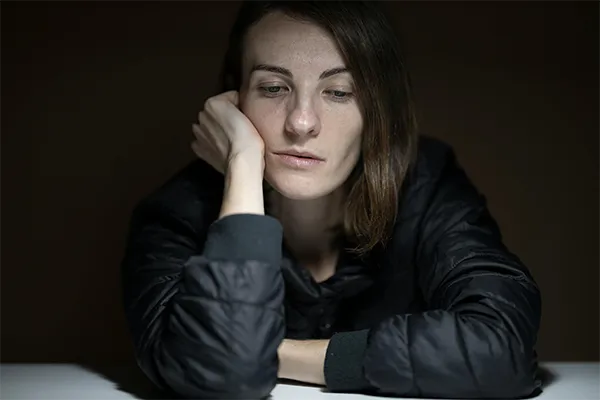
Alcohol and Mental Health: The Hidden Effects on Anxiety, Depression, and Emotional Well-being
Introduction
When life feels overwhelming, or stress kicks in, it is not unusual to turn to a drink for comfort. Maybe alcohol feels like a quick, easy escape—a way to quiet the noise of anxiety, soothe a heavy heart, or relax after a long day. While it might provide some temporary relief, alcohol’s impact on mental health often leads to increased anxiety, depression, and a cycle that’s hard to break. Instead of alleviating stress or lifting your mood, it often leads to increased anxiety, deeper feelings of depression, and an ongoing cycle that’s hard to break.
In this article, we will uncover how alcohol affects mental health, including the impacts on anxiety, depression, and stress. Understanding this connection can help you make informed choices and take steps to nurture a healthier, more balanced state of mind.
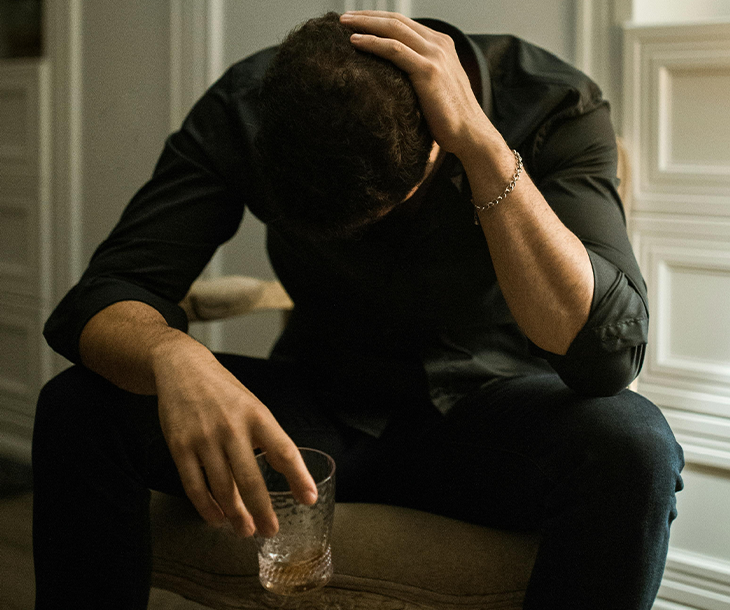
Alcohol’s Effect on Anxiety
For many, alcohol can feel like an easy way to quiet anxious thoughts. A drink might help you feel more relaxed in social situations or offer a temporary escape from daily worries. This is because alcohol affects the brain’s natural calming systems, giving a short-term sense of relief. However, as alcohol leaves your system, anxiety often comes back stronger than before (Smith & Randall, 2012).
Regular drinking can disrupt the effectiveness of GABA, a neurotransmitter responsible for calming the mind and body. This can create a vicious cycle: the more you rely on alcohol for relief, the harder it becomes to manage anxiety without it (Koob & Volkow, 2010). As a result, you may find yourself feeling anxious more frequently, even in situations that did not cause anxiety before.
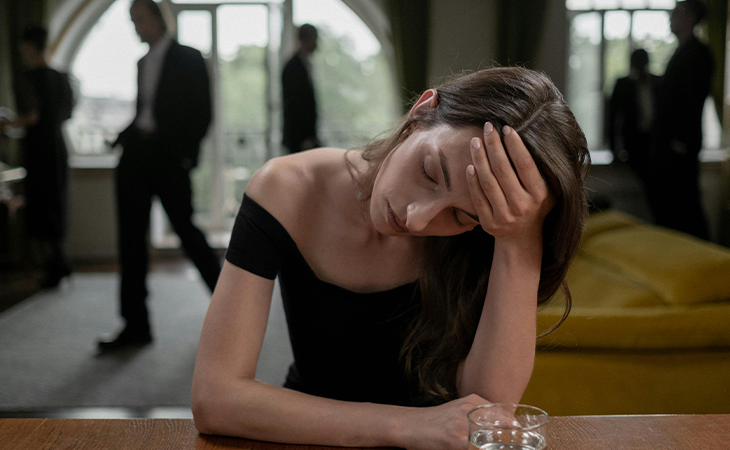
The good news is that there are healthier, more effective way to manage anxiety. Practices like deep breathing, mindfulness, or even regular physical activity can gradually restore balance to your brain’s calming systems (Zhang et al., 2021). The journey to reduce anxiety without alcohol may take time, but with consistent, healthy coping methods, it is absolutely achievable.
Alcohol and Depression
It is a common misconception that alcohol can help improve a low mood. Since alcohol is a depressant, it actually has the opposite effect, often making feelings of sadness, hopelessness, or low energy worse. At first, a drink may seem to take the edge off, but this effect is short-lived. As alcohol wears off, it can intensify feelings of depression and leave you feeling lower than before (McHugh & Weiss, 2019).
Regular alcohol use also disrupts brain chemicals that play a role in mood regulation, like serotonin, a neurotransmitter associated with feelings of happiness and well-being. Over time, the brain may struggle to produce serotonin naturally, making it harder to feel positive emotions without alcohol (Koob & Volkow, 2010). This dependency can occur gradually, where alcohol becomes a crutch used to mask depressive symptoms, ultimately leading to a more persistent, deeper form of depression.
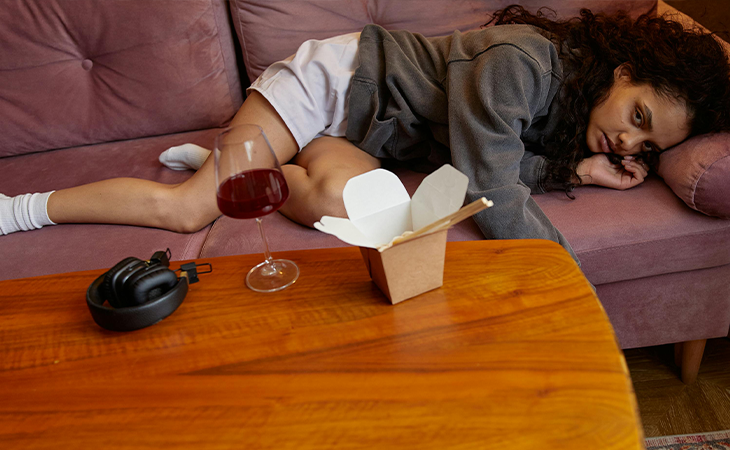
The path to lifting your mood without alcohol can begin with small, intentional steps. Engaging in regular physical activity, socializing with supportive friends, and setting small, achievable goals can gradually improve your mood and help you reclaim a sense of joy. Although challenging at first, these positive actions can help restore your natural balance and strengthen your resilience against depression.
Alcohol and Stress
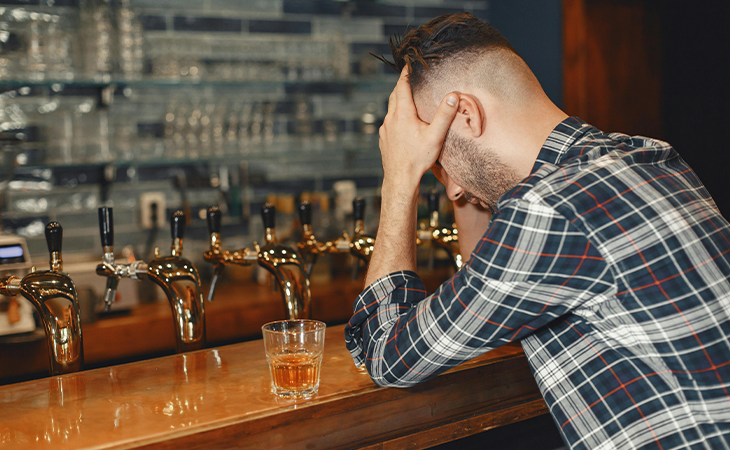
When stress levels rise, reaching for a drink to relax is tempting. Alcohol might provide a quick sense of calm, but in reality, it puts more strain on the body’s stress-response system. Drinking triggers the release of cortisol, the body’s primary stress hormone, which is produced during stressful situations. While a small amount of cortisol can be helpful, chronic exposure—like that caused by frequent drinking—can make you feel more stressed over time (Sayette, 1999).
This stress cycle means that, while alcohol initially seems to relieve tension, it actually raises your baseline stress levels. Additionally, regular alcohol use can weaken the body’s natural ability to manage stress independently. This can leave you feeling more easily overwhelmed and less resilient in stressful situations, reinforcing the urge to rely on alcohol as a coping mechanism (Koob & Volkow, 2010).
Building resilience against stress without alcohol begins by finding new ways to cope. Practicing relaxation techniques like deep breathing, meditation, and gentle exercise can provide immediate stress relief. Over time, these strategies strengthen your body’s natural stress response, helping you feel calm and in control without needing a drink.
Brain Chemistry and Emotional Health
Alcohol does not just impact how you feel; it can also change the way your brain functions. Drinking affects neurotransmitters like dopamine and GABA, which play a significant role in regulating emotions. Dopamine, often called the “feel-good” chemical, is linked to pleasure and reward. Alcohol releases a surge of dopamine, creating a temporary sense of happiness and relaxation. However, repeated drinking can lower natural dopamine levels, making it difficult to feel pleasure without alcohol (Koob & Volkow, 2010).
In addition to dopamine, alcohol also disrupts GABA, a neurotransmitter that aids in relaxation. Regular drinking can reduce GABA’s effectiveness, leaving you feeling anxious, irritable, or emotionally unsteady as your brain struggles to balance itself without alcohol (Marinkovic et al., 2022). These shifts in brain chemistry contribute to the emotional highs and lows that often accompany regular alcohol use.
Rebalancing your brain’s chemistry after alcohol use is possible but requires time and patience. Simple practices like regular physical activity, getting sufficient rest, and adopting healthy coping strategies can all support emotional stability and resilience. With consistency, these habits help restore natural dopamine and GABA levels, making it easier to feel balanced and fulfilled without alcohol.
Breaking the Cycle: Steps Toward Mental Health Recovery
If you are feeling the effects of alcohol on your mental health, taking steps toward sobriety can make a huge difference. The journey may not be easy, but you can begin by building a toolkit of strategies to help you reduce or quit alcohol while supporting your mental health along the way.
Self-Assessment and Goal-Setting
Start by assessing how alcohol affects your mood, stress levels, and overall mental well-being. Setting small, manageable goals—like reducing alcohol intake by a specific amount or taking alcohol-free days each week—can create a solid foundation for lasting change.
Build a Support Network
Talking with trusted friends, family, or a menta health professional can offer valuable support. Opening up about your goals and asking for encouragement can help make the process feel less overwhelming. Support groups provide a sense of community and accountability that can boost your commitment to mental health recovery. These groups can be found in person and in online communities. If you are looking for an online support community, there is room for you in mine.
Adopt Healthy Coping Mechanisms
Stress-relieving practices like mindfulness, meditation, and exercise can help you manage difficult emotions without alcohol. By replacing drinking with healthy habits, you can gradually reduce the urge to rely on alcohol as a coping tool.
Seek Professional Help
If you are finding it challenging to break the cycle alone, consider reaching out to a counselor or recovery coach. Professionals can provide customized support, techniques, and resources tailored to your needs, making navigating the path to sobriety and improved mental health more accessible.
Conclusion
Alcohol’s impact on mental health can be profound, affecting everything from your mood and stress levels to your overall emotional resilience. Although it may offer short-term relief, alcohol often contributes to worsening mental health conditions over time, creating a cycle that can be difficult to break. Understanding the effects of alcohol on anxiety, depression, and stress can empower you to make choices that support your mental well-being.
Choosing to address your relationship with alcohol is a decisive step toward a healthier, more balanced life. Whether you are reducing your intake or moving toward sobriety, know that you are not alone, and the benefits for your mental health are well worth the effort. With the right tools, a robust support system, and a commitment to self-care, you can overcome these challenges and build a more resilient, fulfilling future.
References
Koob, G., Volkow, N. Neurocircuitry of Addiction. Neuropsychopharmacol 35, 217–238 (2010). https://doi.org/10.1038/npp.2009.110
Marinkovic, K., Alderson Myers, A. B., Arienzo, D., Sereno, M. I., & Mason, G. F. (2022). Cortical GABA levels are reduced in young adult binge drinkers: Association with recent alcohol consumption and sex. NeuroImage. Clinical, 35, 103091. https://doi.org/10.1016/j.nicl.2022.103091
McHugh, R. K., & Weiss, R. D. (2019). Alcohol use disorder and depressive disorders. Alcohol Research: Current Reviews, 40(1). https://arcr.niaaa.nih.gov/volume/40/1/alcohol-use-disorder-and-depressive-disorders
Sayette M. A. (1999). Does drinking reduce stress?. Alcohol research & health: the journal of the National Institute on Alcohol Abuse and Alcoholism, 23(4), 250–255. https://pubmed.ncbi.nlm.nih.gov/10890821/
Smith, J. P., & Randall, C. L. (2012). Anxiety and alcohol use disorders: comorbidity and treatment considerations. Alcohol research: current reviews, 34(4), 414–431. https://pmc.ncbi.nlm.nih.gov/articles/PMC3860396/#sec19
Zhang, D., Lee, E. K. P., Mak, E. C. W., Ho, C. Y., & Wong, S. Y. S. (2021). Mindfulness-based interventions: an overall review. British medical bulletin, 138(1), 41–57. https://doi.org/10.1093/bmb/ldab005
How I Can Help You Quit Drinking Alcohol
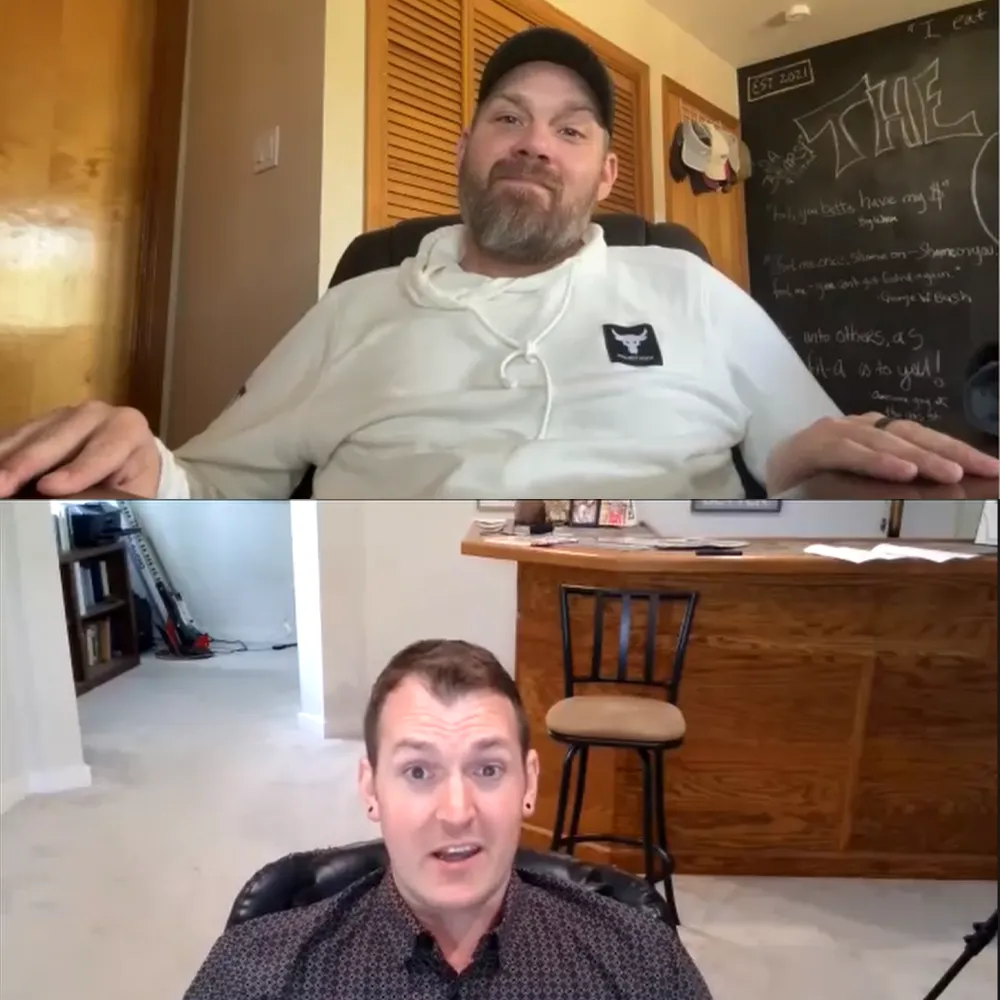
Private Sobriety Coaching
Get personalized 1-on-1 support and guidance tailored to your specific needs. My private coaching helps you tackle your unique challenges with alcohol and create lasting change.
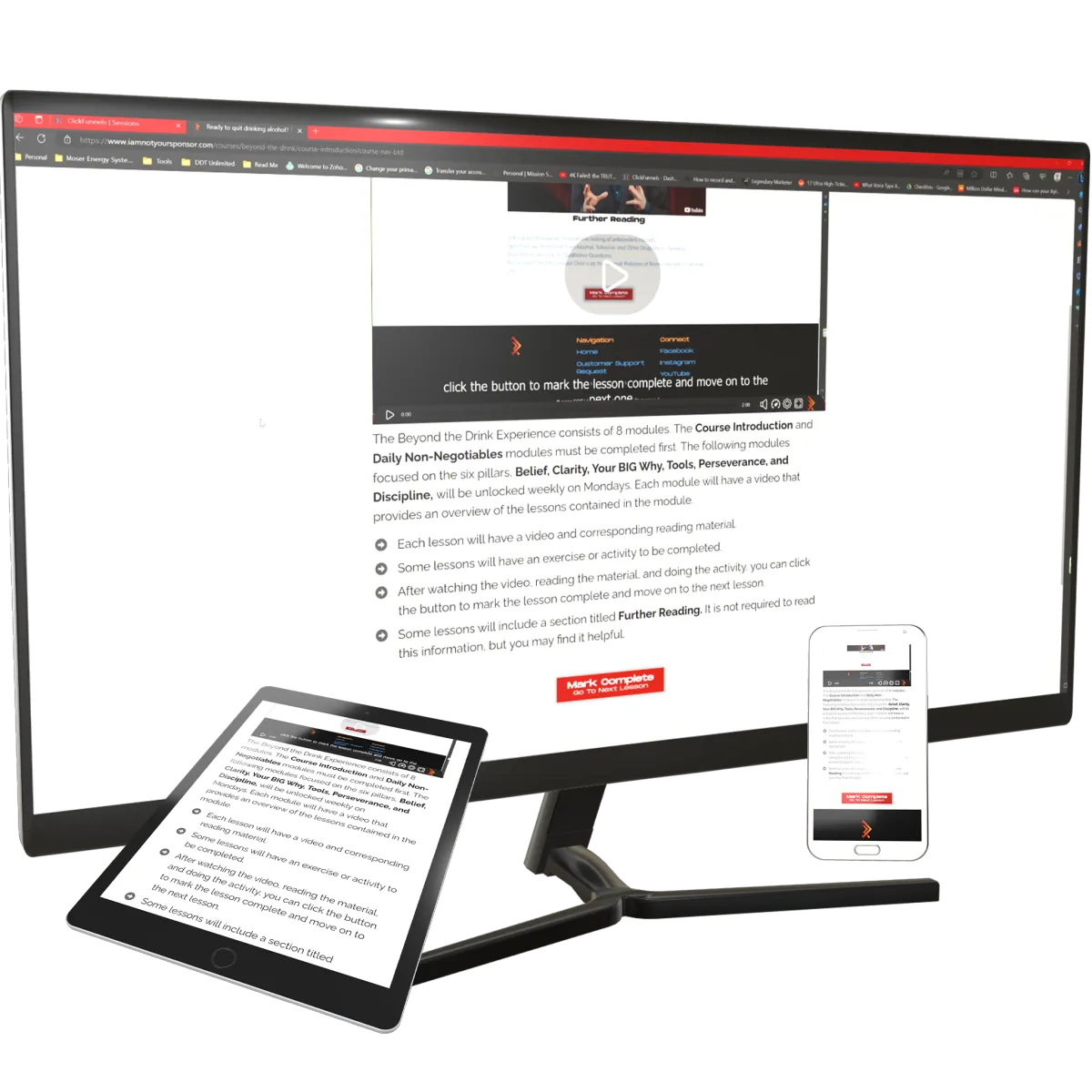
Sobriety Course
Take control of your sobriety at your own pace with my 12-week course. The Alcohol-Free Framework provides you with the strategies, tools, and mindset shifts you need to live alcohol-free and thrive.
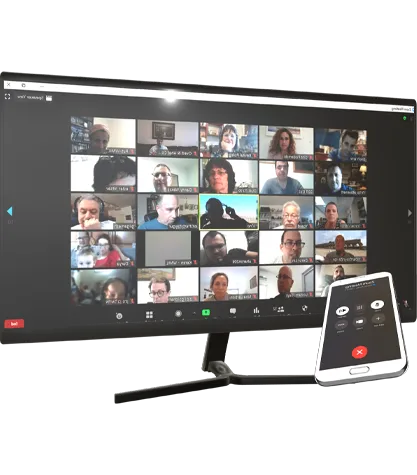
Group Coaching
Build lasting sobriety with the support of a guided group coaching experience. You’ll gain practical tools, mindset shifts, and real-time accountability to help you stay alcohol-free and create a life you’re proud of.
Sobriety Coaching Testimonials
"If I'm really going to do it, I'm going to have a much better chance to have a professional coach helping me through the process. . .to give me the support that I don't even know that I need"
Amy Lee
"I just feel 1,000 times better than I did before"
Mike D.
"I am much more aware of what triggers things in me. . .and have learned new ways to deal with those things"
John R.
"What you've done in a few hours no one was able to do in 15 years..."
Manaf Z.
"I feel like my life has completely changed"
Adria B.
“I’m having better conversations with my husband…telling him my wants and my needs in a reasonable fashion.”
Robin M.
Ready to Start Your Own Sobriety Success Story?
These clients transformed their lives, and you can too. Whether you’re looking for private coaching, group support, or a proven course, I’m here to guide you every step of the way.
Connect with Others on the Sobriety Journey
Sobriety doesn’t have to be a solo journey. Our private Discord community is a safe space where you can connect with others, share your progress, and get support whenever you need it. Together, we’re stronger.
Listen to the Quit Drinking Alcohol Podcast
Your guide to living an alcohol-free life!
Join Dillon Reed, a Certified Professional Recovery Coach, on the Quit Drinking Alcohol Podcast for real talk, practical strategies, and inspiring stories to help you quit drinking and stay sober.
Whether you're just starting your journey or looking for continued motivation, each episode provides tools to navigate life without alcohol.
Stay Connected and Empowered on Your Sobriety Journey
Join our community and receive exclusive tips, resources, and updates to help you live alcohol-free and thrive. Be the first to hear about new content, courses, and special offers!


© 2025 DDT Unlimited LLC - All rights reserved
As an Amazon Associate I earn from qualifying purchases.